7 October 2026
Done For You Website UK: How My Webby Works
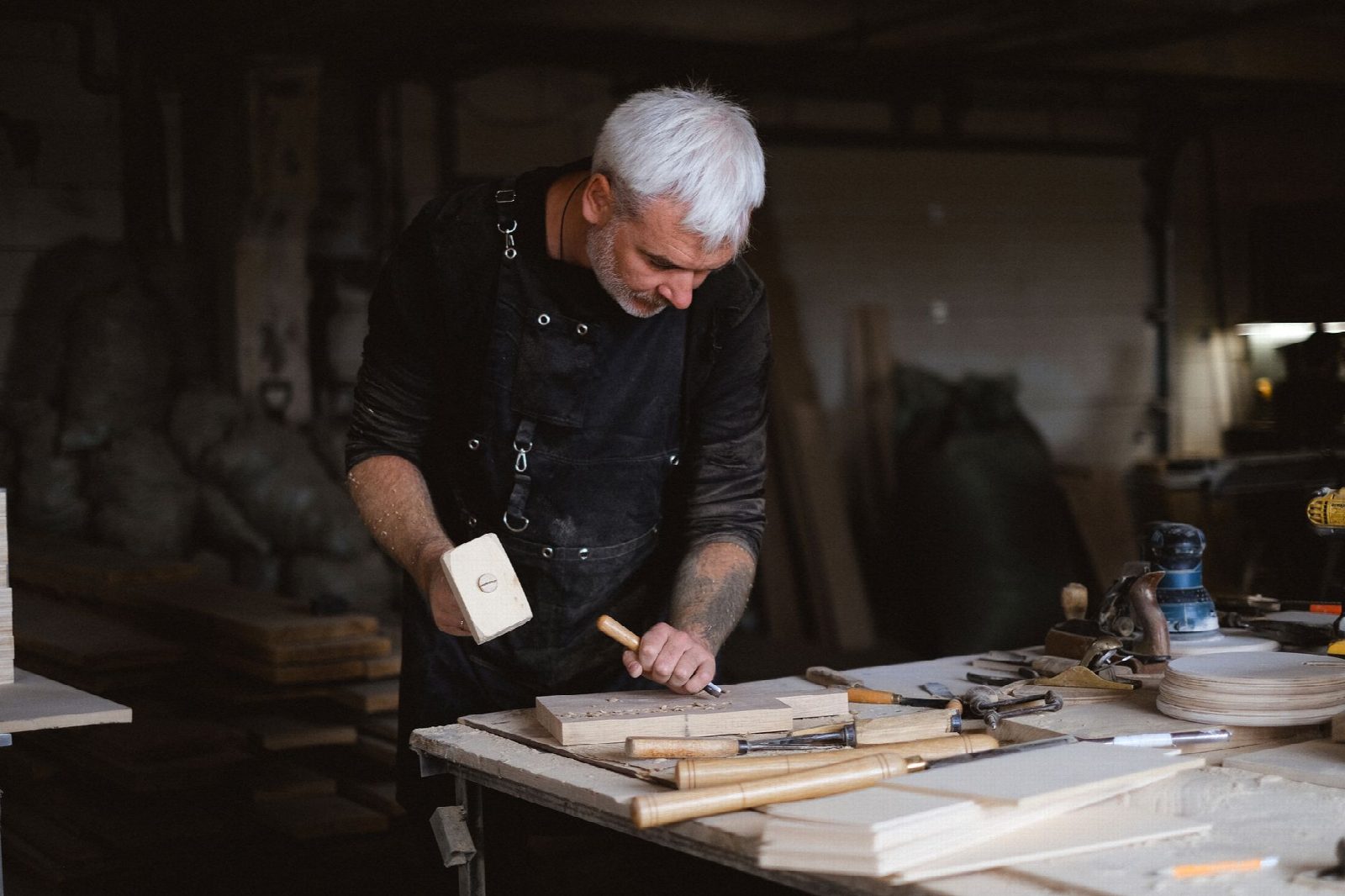
My Webby builds websites for local businesses across the UK, using AI and real people to get trades and salons online without the usual hassle. If you want a done for you website UK service, this page explains what that actually involves, step by step, so you know what to expect before you start.
What "getting online" really means
Getting online is more than buying a domain. It usually means four things working together:
- A website that explains what you do, where you work and how to book you.
- A domain name and hosting so the site stays up and loads quickly.
- Pages set up so Google can read them and show them in search.
- A way for customers to contact you, whether that's a form, a phone tap or a message.
Most people who come to us have tried a DIY builder, got halfway through, and left it. That's normal. Building a site takes hours you'd rather spend on jobs. Our how it works page walks through the full process, and the short version is below.
The steps in a done for you website UK build
1. We find out about your business
We start with your trade, your services and the towns you cover. If you fit lights in three postcodes, we need to know which three. If you do emergency callouts, that goes near the top of the page. The more specific you are, the better the site works, because people search for the exact job they need doing in the exact place they live.
2. We draft the site
We use AI to put together a first version fast. That covers your home page, your service pages, an about page and a contact page. Then a person checks it. The AI does the heavy lifting on structure and first-draft copy; we make sure it reads like a real business and not a robot.
3. You review it
You look at the draft and tell us what's wrong. Maybe we've written "boiler servicing" and you don't do that. Maybe your work area is wider than we assumed. Maybe you want your best photos front and centre. We change it. See website changes for how edits work once you're live.
4. We put it live
We sort the domain, the hosting and the technical setup. Your site goes live on your own address. You don't need to touch a control panel, point a DNS record or work out what SSL means.
5. You start getting enquiries
The contact form, click-to-call and anything else we've set up starts sending work your way. We keep the site running in the background.
What you need to provide
Less than you'd think. Useful things to have ready:
- A list of the services you want to sell, in your own words.
- The towns, cities or postcodes you cover.
- Photos of your work, if you have them. Phone photos are fine.
- Any certifications or trade bodies you belong to.
- Your business phone number and email.
If you don't have photos yet, we can still get the site live and add them later.
What's included and what isn't
A site from us includes the pages, the hosting, the domain setup and ongoing changes. It isn't a one-off file you have to look after yourself. We keep it running.
If you want something more unusual, like a booking system, a shop, or a custom design that doesn't fit our standard build, that's a bespoke job and we'll quote it separately.
Costs are set out plainly on our pricing page, and if you're comparing us against building it yourself, how much does a website cost breaks down what the real bill looks like once you add up domains, hosting, plugins and your own time.
How long it takes
The build itself is quick because AI does the first draft. The part that takes time is you: getting us your details, reviewing the draft and sending photos. Businesses that reply the same day get live faster than businesses that reply in a fortnight. We'll tell you where we are at each stage.
Who this suits
We mainly work with local service businesses: plumbers, electricians, roofers, builders, hair salons, barbers, cleaners, dog groomers, personal trainers and similar trades. If you take bookings or quotes over the phone and work within a set area, the format fits. Have a look at who we can help to see if your trade is on the list.
It suits you if you'd rather not learn a website builder. It suits you less if you enjoy tinkering with design and want full control over every pixel.
After you're live
Getting online is the start, not the end. Once the site is up, the next jobs are usually:
- Local SEO. Making sure you turn up when someone in your town searches for your trade.
- Leads and CRM. Keeping track of enquiries so none get lost in a full inbox.
- Changes. Adding new services, new photos or a new town as the business grows.
You don't have to do all of that on day one. Get the site live first, then build on it.
If you want a straight answer about getting your business online, book a meeting or get in touch with My Webby and we'll tell you what we'd do and what it would cost.