16 November 2026
Bespoke Website or Template: Which You Need
We're My Webby, and we build websites for local businesses across the UK. One of the first things people ask us is whether they need a bespoke website or template-style standard site, and the honest answer is that it depends entirely on what the site has to do. This page walks through the difference so you can work out which side of the line your business sits on.
What we mean by a standard website
Our standard website is one flat price, £29.99 a month including VAT, with no setup fees and nothing to pay until the website is live. That covers your home page and up to 10 service pages, one for each service you offer, plus a free .co.uk, .com or .uk domain registered and paid for. Hosting, SSL, backups and security updates are all handled for us, and you get a visitor dashboard in your portal with no cookies, along with one free change every month.
The word "standard" refers to the price and the structure, not the look. A website specialist builds it for you, and you can speak to them at any stage. So if you're a plumber in Leeds with five services, your site is written around your five services and your area, not a filled-in blank. It's set up to be found on Google and AI search from the start.
What makes a website bespoke
A bespoke build is one where the site has to do something beyond showing people what you offer and getting them to call you. Think an online shop with products, payments, delivery and stock. Think appointment booking, course sign-ups, logins and member areas. Think dozens of pages, several locations, more than one language, or a site that has to talk to systems you already use.
Those things need scoping properly, which is why they start with a conversation rather than a price list. You can read more on our bespoke website page, including how a project runs from first call to a written proposal with the scope and the cost set out before you commit.

Choosing between a bespoke website or template-style standard build
Here's the quickest way we know to sort it. Ask yourself what the visitor needs to do once they land on your site.
If they just need to understand you and get in touch
If the answer is "read about what I do, see my area, then ring me or fill in a form", a standard website covers it. That's the shape of most trades, salons, cleaners, instructors and local service businesses. You need clear service pages, your town named properly, and a way to contact you that works on a phone.
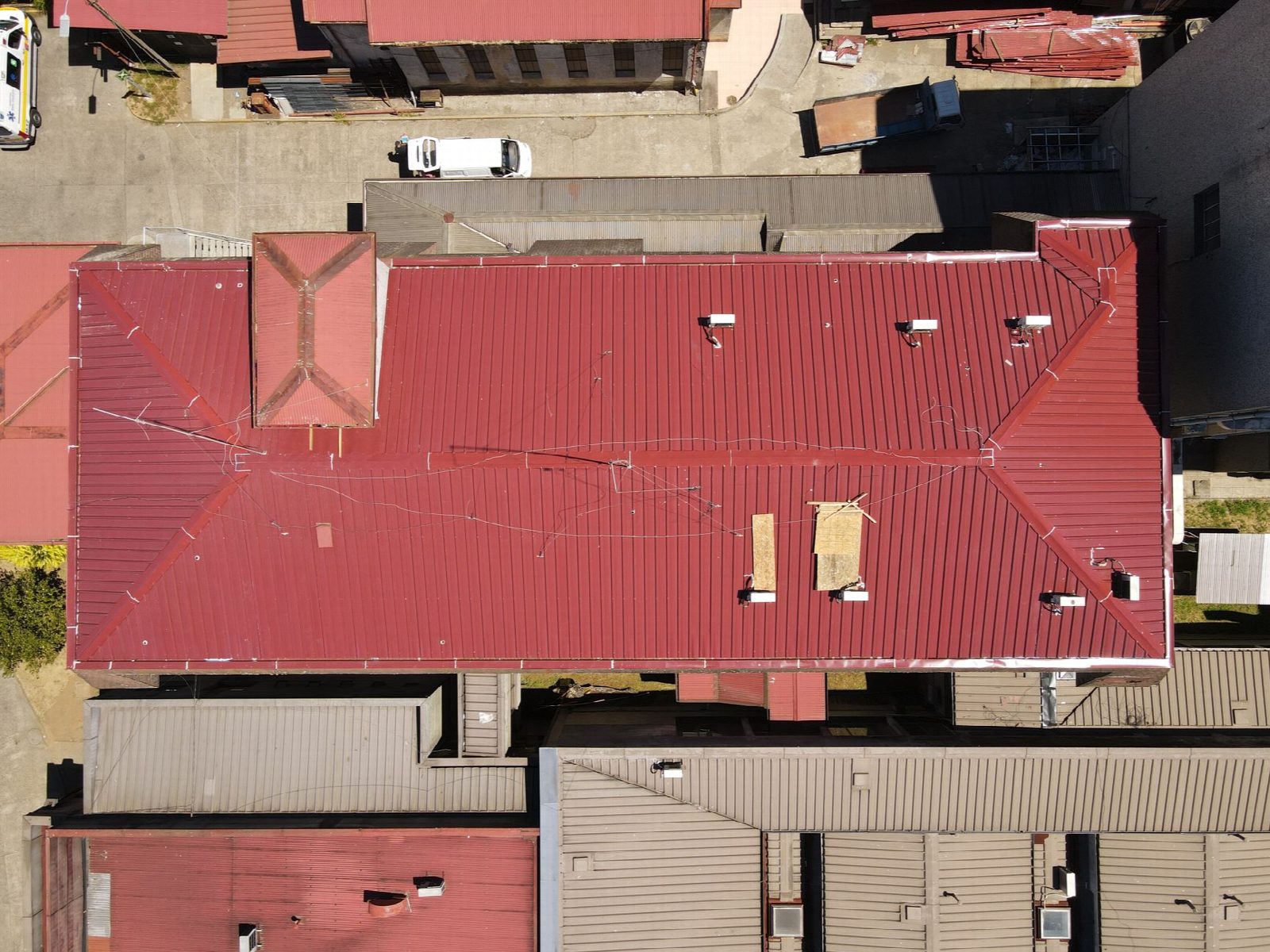
Ten service pages goes further than people expect. A roofer might use flat roofing, pitched roofing, roof repairs, guttering, chimney work, fascias and soffits, leadwork, roof cleaning, emergency callouts and surveys. That's ten pages, each one aimed at a different search and a different customer.
If they need to buy, book or log in
If your visitor has to pay for something on the site, pick a slot in a diary, enrol on a course or sign into an account, you're into bespoke territory. An online shop isn't part of the standard website, so it needs a proper conversation and a proposal. Same goes for anything that has to sync with stock, a till or a booking system you already run.
If you've genuinely got dozens of pages
Some businesses have more to say than ten service pages allow. Multiple branches, a large catalogue of what you do, or a site in two languages. That's a bigger build, and we'd rather scope it than squeeze it.
A few things that don't push you into bespoke
People often assume these count as "custom" work, so it's worth clearing up.
Your own wording and photos aren't your job to produce. A website specialist builds the site for you, so you don't need to sit down and write service descriptions or go out taking pictures before anything can happen.
Your domain isn't an extra. A free .co.uk, .com or .uk domain comes registered and paid for as part of the price, and hosting, SSL, backups and security updates sit inside that same monthly figure.
Changing your mind later isn't a problem either. You get one free change every month, and you can see how that works on our website changes page. Nothing about keeping the site short or plain saves you money, because the price doesn't move with the size of the site.
Starting standard and growing later
Plenty of local businesses begin with the standard website because it gets them online and found, then look at a bigger build once the shop or the booking system becomes a real need. There's no rule that says you have to decide everything on day one.
If you're weighing up the running cost of the standard route, our pricing page lays out the flat monthly figure and the optional monthly add-ons, such as the customer hub and SEO. And if you'd rather see what's included at a glance, the features page sets it out.
Still not sure which side you're on? Tell us what the site needs to do and we'll be straight with you. Book a meeting and one of our website specialists at My Webby will call you at a time that suits.